READ OUR INSIGHTFUL ARTICLES
By - Neeti Niyaman
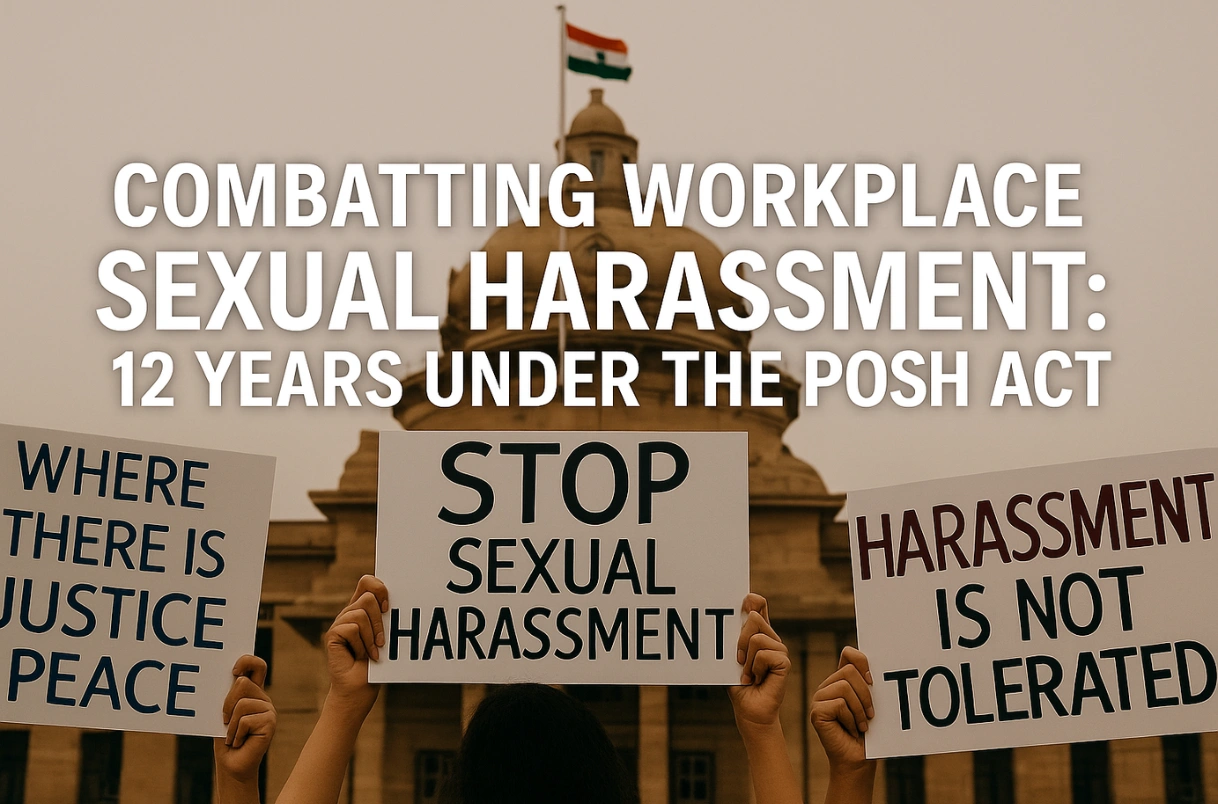
POSH Act at 12: Evaluating India’s Framework Against Workplace Sexual Harassment
Twelve years after the POSH Act’s enactment, gaps in procedural clarity and inconsistent ICC practices still hinder justice. This article explores key rulings, implementation lapses, and what must change to make workplaces safer for women.
By - Neeti Niyaman
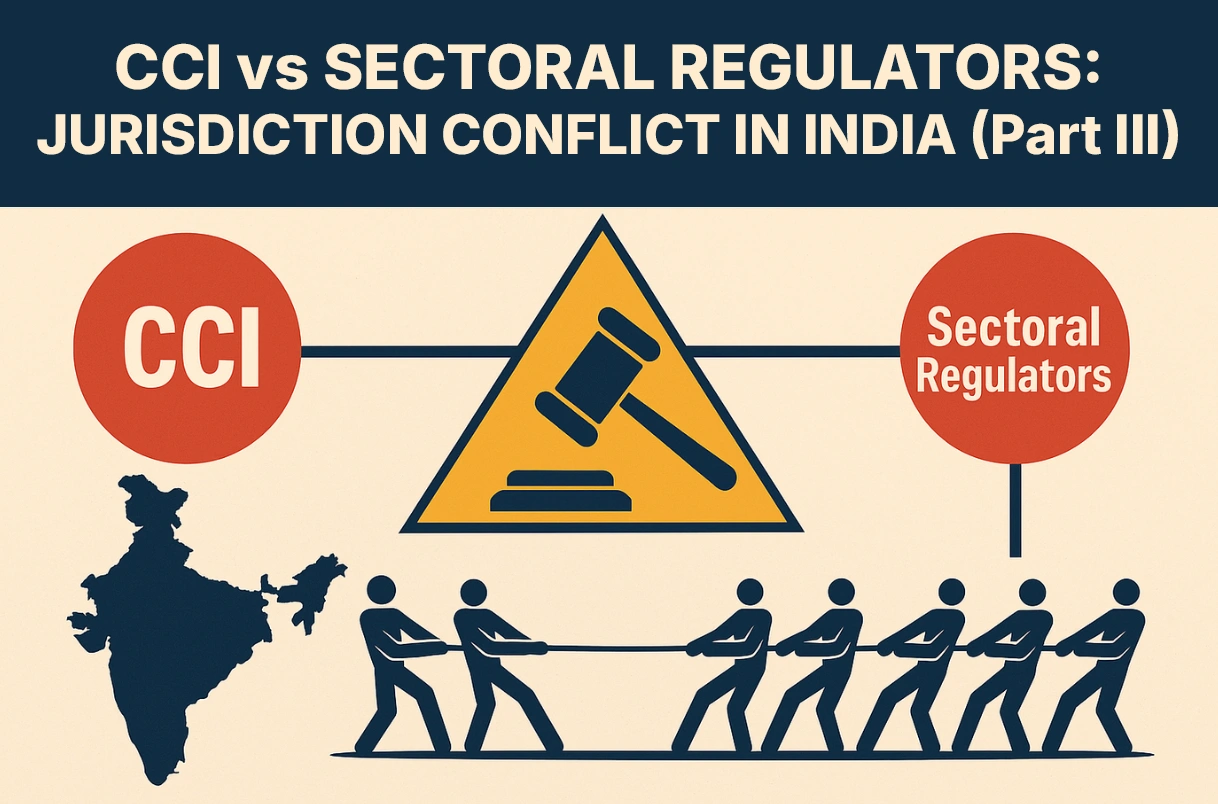
Jurisdictional Conflict in Competition Law: CCI vs Sectoral Regulators in India (Part 3)
In the concluding part of our three-part series on regulatory overlaps in Indian competition law, we explore jurisdictional conflicts in sectors like aviation and professional regulation, and examine global models of coordination between competition authorities and sectoral regulators.
By - Neeti Niyaman
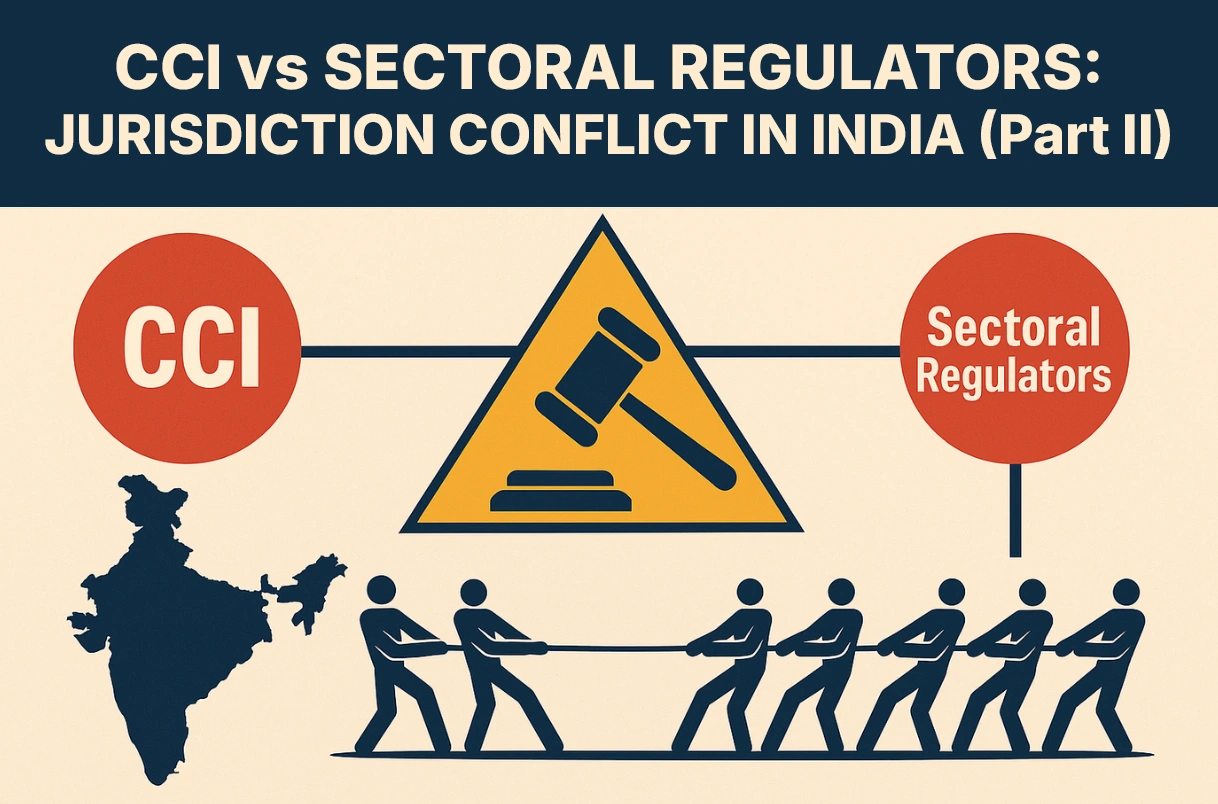
Jurisdictional Conflict in Competition Law: CCI vs Sectoral Regulators in India (Part 2)
Part 2 of our CCI series explores critical jurisdictional conflicts beyond telecom—focusing on the Copyright Act, Patents Act, and Electricity Act. Dive into recent judicial trends and ongoing disputes involving SEPs, tariff control, and regulatory overlap.
By - Neeti Niyaman
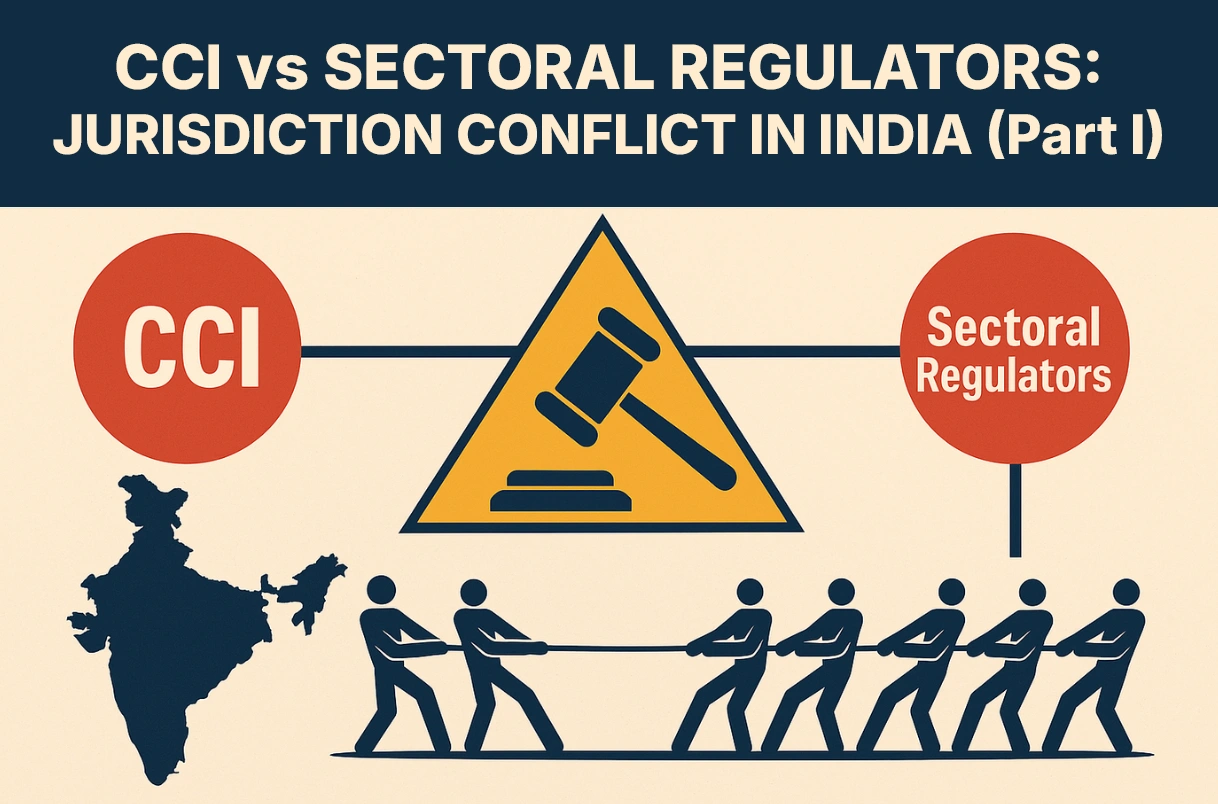
Jurisdictional Conflict in Competition Law: CCI vs Sectoral Regulators in India (Part 1)
This article examines the jurisdictional conflict between the Competition Commission of India (CCI) and sectoral regulators like TRAI. With overlapping mandates under the Competition Act India and sector-specific laws, courts have played a pivotal role in shaping regulatory balance.
By - Neeti Niyaman
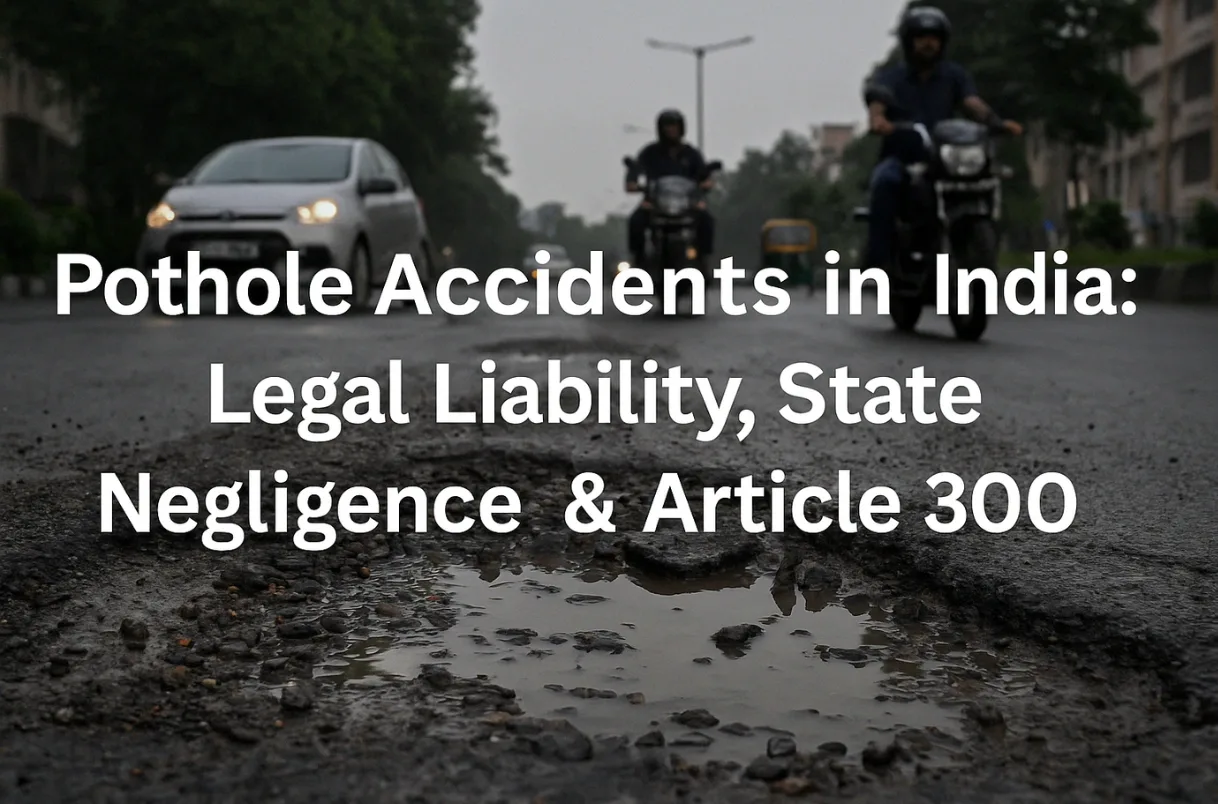
Pothole Accidents in India: Legal Liability, State Negligence & Article 300
Pothole accidents continue to claim lives across India, exposing gaps in road maintenance and legal accountability. This article examines the tortious liability of the State, key court rulings, and the urgent need for a structured legal framework to prevent avoidable tragedies.
By - Neeti Niyaman
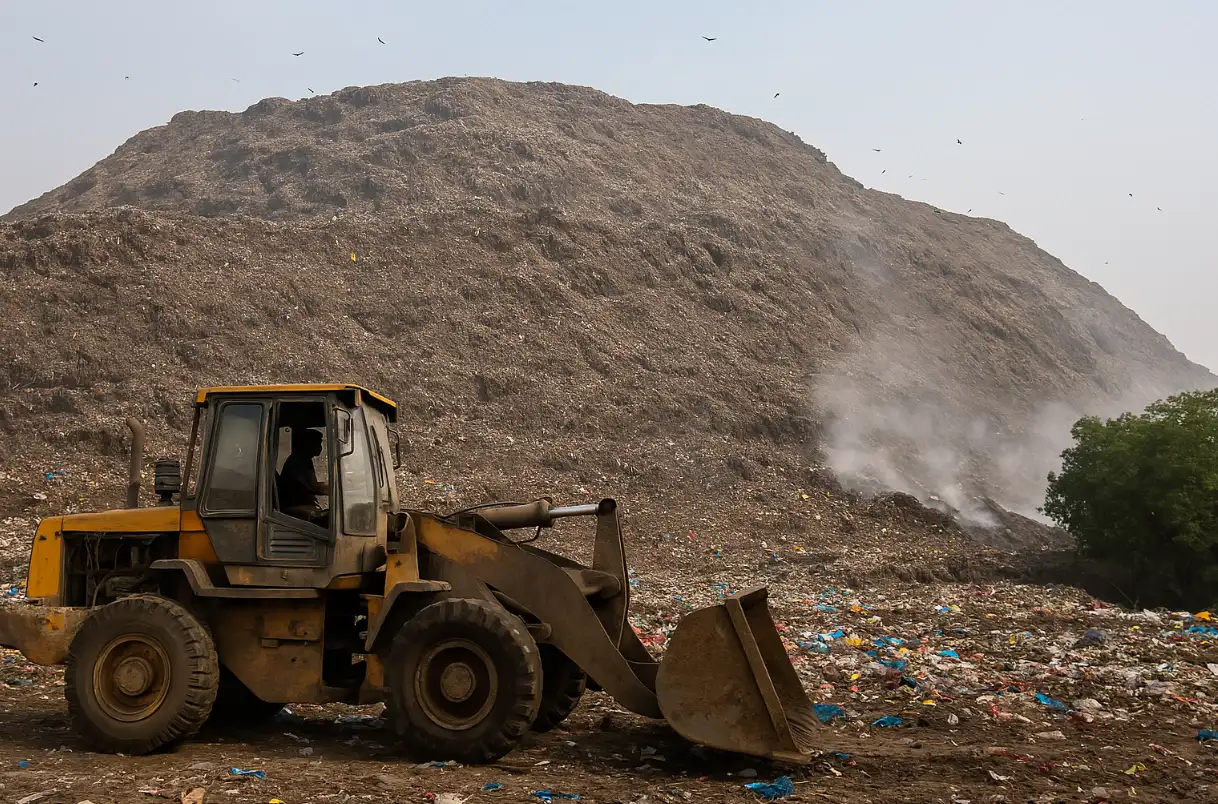
Solid Waste Management in India: Policy Shifts, Tech Trends, and Investment Opportunities
India generates over 1.7 lakh tonnes of waste daily, posing urgent environmental and public health risks. This article explores key policy reforms, emerging technologies, and investment opportunities that could transform the country’s solid waste crisis into a sustainable, circular economy solution.

By - Neeti Niyaman
India’s Rare Disease Drug Access: Legal & Policy Hurdles (Part II)
This article explores the legal and policy challenges in accessing treatment for rare diseases in India, focusing on gaps in affordability, infrastructure, and enforceable rights under the National Policy for Rare Diseases, 2021. Part I lays the foundation for deeper reform discussions ahead.
By - Neeti Niyaman
Ensuring Access to Medicines for Rare Diseases in India (Part I)
This article explores the legal and policy challenges in accessing treatment for rare diseases in India, focusing on gaps in affordability, infrastructure, and enforceable rights under the National Policy for Rare Diseases, 2021. Part I lays the foundation for deeper reform discussions ahead.

By - Neeti Niyaman
Kumbh Mela Airfare Spike: A Reflection of Oligopolistic Pressures in Indian Aviation
The Kumbh Mela 2025 airfare surge wasn’t just about increased demand—it exposed deeper issues in India’s aviation sector. With only a few dominant airlines, pricing algorithms, supply restrictions, and regulatory gaps enabled a near-uniform fare hike, leaving passengers with no real pricing competition.
By - Neeti Niyaman
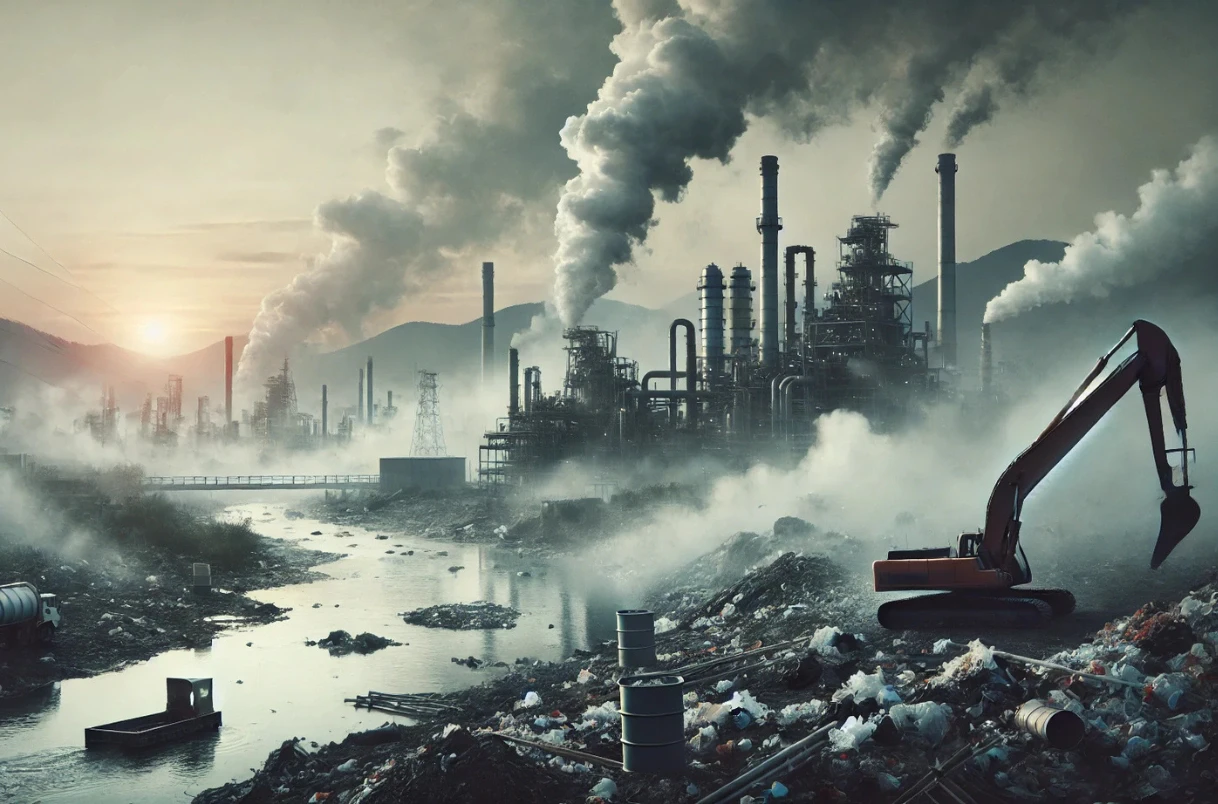
Polluter Pays principle revisited in the context of recent SC judgments
The Polluter Pays principle is transforming environmental accountability in India. Recent Supreme Court decisions emphasize that polluters must bear the full costs—not just compensation, but also ecological restoration—highlighting a critical shift toward stricter enforcement and sustainable development practices.
 You wish to know more about Neeti Niyaman (the “Firm”) for your own information and use.